Training 29 Oct 2026
3 mistakes that hold back your training
Thanos Mpizpos
Strength and conditioning coach
5 min read
Most people who stop making progress aren't lazy. They're making one of these three mistakes, and each one is easy to fix.
1. Training without a plan
Your body adapts to whatever you ask of it. To keep getting stronger, the work has to go up little by little, a bit more weight or one more rep. This is called progressive overload. If every session is whatever you feel like that day, there's no way to know whether you're getting better. And if you change exercises every week, you never get good at them. This is probably you if:
- You can't remember what you put on the bar for your last squat
- You pick exercises based on which machine is free
- Two months in, you're lifting about the same
How to log your workouts
Choose a few main exercises, keep them for four to eight weeks and write down what you lift. A notebook or the notes app on your phone is enough. Before each exercise, check what you did last time and try to beat it slightly, even by one rep. For each exercise, write down:
- Weight, sets and reps
- How many reps you felt you had left on the last set
- A short note, like "slept badly" or "shoulder felt off"
2. Not recovering
Muscle grows between sessions, not during them. Training provides the signal, and the adaptation happens over the following days while you rest, sleep and eat. Training the same muscle hard every day doesn't add up to more. Fatigue piles up and performance drops. This is probably you if:
- Your lifts have stayed the same or dropped for several weeks
- You feel worn out from the warm-up on
- You sleep badly, you're always sore, or you don't feel like training
Sleep, protein and rest days
Sleep matters a lot. In one small study, a single night without sleep lowered muscle protein synthesis the next day. Protein gives muscle the material to repair itself. For most people who lift, research suggests around 1.6 grams per kilo of body weight per day is enough. For someone who weighs 75 kg that's about 120 grams, spread over three or four meals. Protein powder is just a convenience, not a requirement. If you have kidney problems or another health condition, check with your doctor first.
- Sleep seven to nine hours
- Have a protein source at every meal: eggs, yogurt, meat, fish or legumes
- Leave at least 48 hours before training the same muscle hard again
- If the tiredness doesn't go away with rest, see a doctor
3. Rushing to add weight
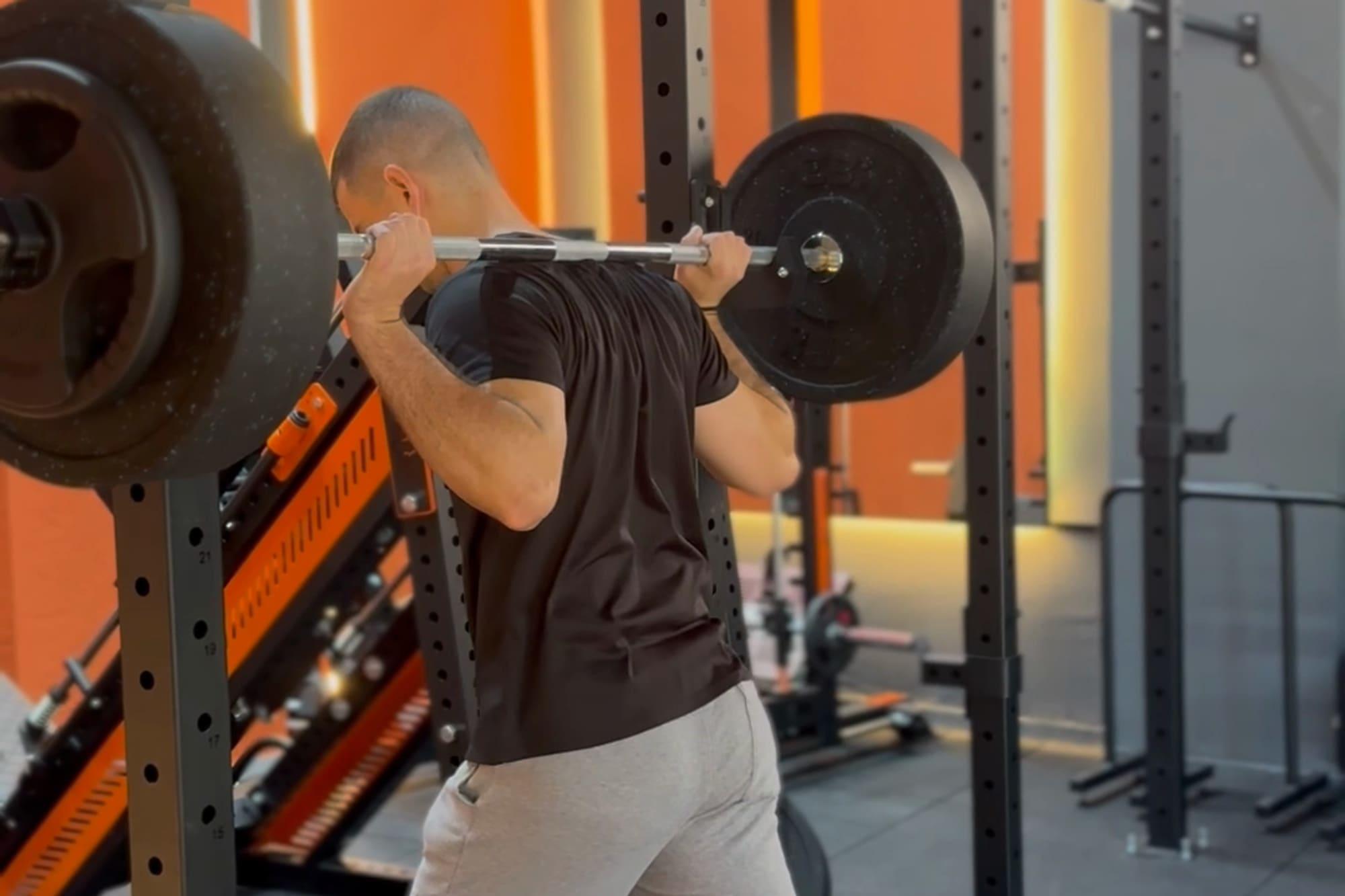
Don't chase only heavier weights. When the load is more than you can control, your technique breaks down. Your range of motion gets shorter, other muscles take over, and the muscle you want to train does less of the work. You stall sooner, and your risk of injury may go up. This is probably you if:
- Your squats keep getting shallower
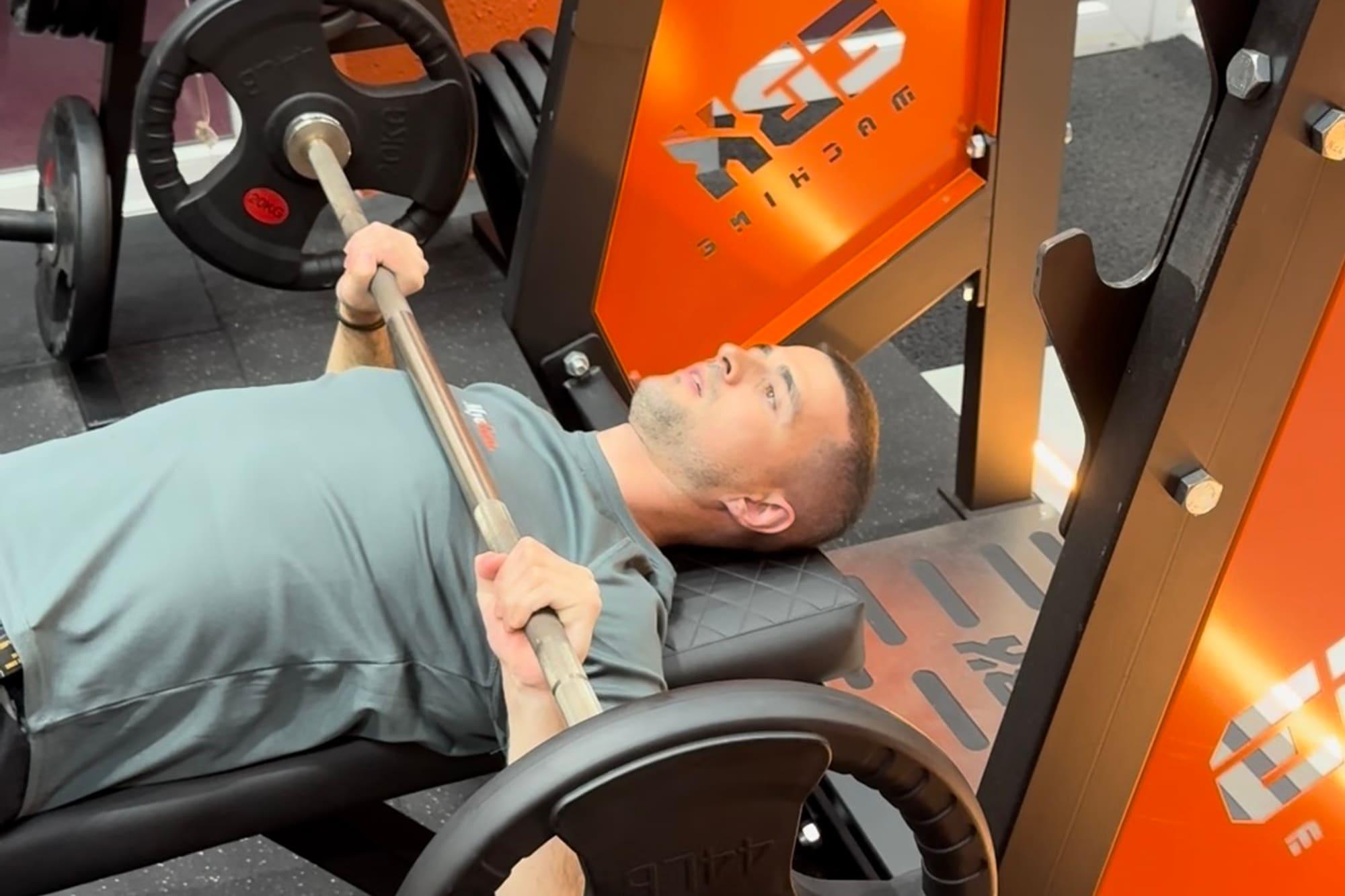
- Your lower back rounds on the deadlift, or the bar bounces off your chest
- You need a spot to finish almost every set
A simple rule for adding weight
Get your technique right first, then add load gradually. An easy way to do this is double progression: add reps first, then weight. With dumbbells, the next pair up is often a big jump, so you'll spend a bit longer adding reps there.
- Pick a rep range, for example 3 sets of 8 to 12
- Start with a weight you can lift 8 times with good form, with two or three reps to spare
- Each session, try to add one rep
- When you get 12 reps on every set with good form, add a small amount, usually 1 to 2.5 kg, and go back to 8
Fix one at a time
You don't need to change everything at once. Start with the mistake that sounds most like you and give it three to four weeks. Once the numbers in your log start going up, move on to the next one.
When it's worth asking a coach
A coach looks at how you move, not just how much you lift, and builds your plan around your level. It's worth asking one of our coaches if:
- You've been stuck for more than a month even though you log, sleep and eat well
- You're just starting and want to learn the squat, deadlift and presses properly
- You're coming back after a long break or an injury, with your doctor's go-ahead
- An exercise hurts (if the pain doesn't go away, see a doctor or physiotherapist first)
How long does it take to see results from the gym?
If you train consistently two or three times a week, your strength usually goes up within the first few weeks. Much of that early progress comes from your nervous system learning the movement. Muscle starts growing early too, but it usually takes a few months before you see it in the mirror. How fast depends on where you start, your sleep, your food and how consistent you are.
How many times a week should I lift weights?
The World Health Organization recommends muscle-strengthening work for all major muscle groups on at least two days a week. If you're starting out, two or three full-body sessions are enough. Research shows a muscle grows more when you train it twice a week rather than once, with the same total number of sets.
Should I train to failure on every set?
No. A 2023 review of 15 studies found little to no difference in muscle growth when sets were taken to failure. Failure is more tiring and often breaks down your technique on the last reps. On most sets, stop with one to three reps to spare.
Want someone to check your technique? See group personal training
Share or follow: Instagram